















ALEX2 Allergy Test

🌿 ALEX² Allergy Test at Prescriptions Pharmacy
Comprehensive Allergy & Sensitisation Blood Test in Prescot – £360
🧬 What Is the ALEX² Allergy Test?
The ALEX² test is a multi-allergen molecular allergy test designed to give a detailed picture of your allergic sensitivities.
Unlike basic allergy tests, it looks at both:
🌿 Whole allergens — such as pollen, foods, dust mites, moulds and animal dander
🧬 Allergen components — specific proteins within allergens that can help provide deeper insight
💡 This helps provide a more detailed allergy profile than many standard allergy panels.
🔬 What Does the ALEX² Test Check?
This test analyses 300 allergens and allergen components from a single blood sample, making it one of the most comprehensive allergy blood tests available.
📌 The panel includes both whole allergens and molecular allergen components for deeper analysis.
🌿 1. Pollen Allergens
🌾 Grass pollens
🌳 Tree pollens
🌱 Weed pollens
💡 These are common causes of seasonal allergies such as hay fever, sneezing, itchy eyes and nasal congestion.
🏠 2. Environmental Allergens
🧪 House dust mites
🦠 Moulds and fungal spores
🏚️ Storage mites and indoor allergens
💡 These may be linked to year-round symptoms such as blocked nose, sneezing, coughing, wheezing or worsening asthma-type symptoms.
🐾 3. Animal Allergens
🐶 Dog allergens
🐱 Cat allergens
🐴 Horse and farm animal allergens
💡 Animal allergies can trigger respiratory symptoms, itchy eyes, skin irritation or asthma-type symptoms in some people.
🍽️ 4. Food Allergens
🥛 Milk and dairy proteins
🥚 Egg proteins
🐟 Fish and seafood
🥜 Nuts and legumes
🍎 Fruits and vegetables
🌾 Grains and cereals
💡 This can help identify IgE-mediated food sensitisation and support more informed discussions around possible food allergy triggers.
🐝 5. Insect & Venom Allergens
🐝 Bee venom
🐝 Wasp venom
🪳 Cockroach allergens
💡 These can be important where someone has had reactions to stings, bites or insect exposure.
🧬 6. Molecular Allergen Components
🧪 Specific allergen proteins
🔬 Cross-reactive allergen components
📊 Component-level sensitisation markers
💡 This deeper analysis can help:
✔️ Distinguish true allergy from cross-reaction
✔️ Provide a more precise allergy profile
✔️ Help reduce unnecessary avoidance where results suggest cross-reactivity rather than true allergy
⚡ Why Is This Test Different?
Many allergy tests only check a small number of allergens or give a simple positive or negative result.
The ALEX² Allergy Test goes further by testing a much wider range of allergens and looking at molecular components.
This means it can provide:
🔬 A broad allergy overview from one blood sample
🧬 More detailed component-level information
📊 A clearer picture of possible allergy triggers
🎯 Better information for follow-up discussions with a GP, allergy specialist or dietitian
💰 Why Is This Test Worth Paying For?
This is a premium allergy test because it combines broad allergen coverage with more advanced molecular testing.
Compared with basic allergy testing:
📉 Basic allergy tests usually check fewer allergens
📊 ALEX² checks approximately 295–300 allergens and components
🧬 ALEX² includes molecular-level information, not just broad allergen groups
🎯 This can help provide more useful information where symptoms are unclear or involve multiple possible triggers
💡 Instead of testing one small group at a time, this test gives a wide and detailed overview in one appointment.
✔️ Broad coverage in one blood sample
✔️ Useful where symptoms are complex or unclear
✔️ May reduce guesswork around possible triggers
✔️ Helps support more informed clinical interpretation
👩⚕️ Who May This Test Be Suitable For?
This test may be suitable if you:
🤧 Have ongoing allergy-type symptoms
🌿 Suffer with hay fever or seasonal allergies
🍽️ Suspect food-related allergic reactions
🐾 React around pets or animals
🏠 Have year-round symptoms that may be linked to dust mites, mould or indoor allergens
❓ Want a clearer picture where triggers are uncertain
📌 This test measures sensitisation markers. Results should be interpreted alongside your symptoms and medical history.
🔍 What Can This Test Help With?
🤧 Persistent sneezing, itching or congestion
🌿 Hay fever and seasonal symptoms
🍽️ Suspected food allergy triggers
🐾 Reactions around animals
🏠 Possible dust mite or mould sensitivity
📊 Understanding patterns across multiple possible triggers
💡 Results may help guide future discussions around avoidance strategies, treatment options or referral to an allergy specialist.
🩺 What Happens at Your Appointment?
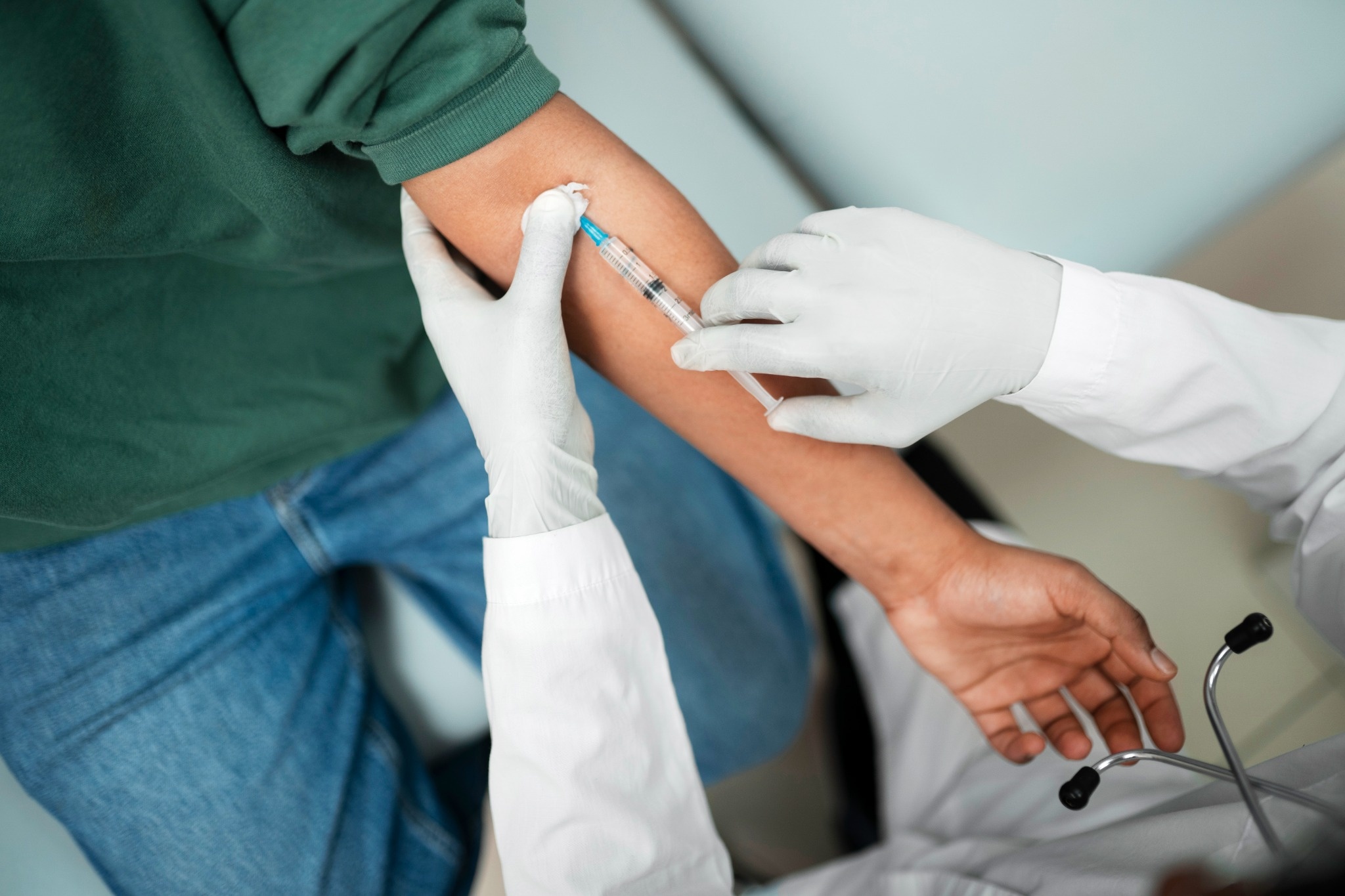
👩⚕️ A trained member of the team will take a blood sample
⏱️ The appointment is quick and straightforward
🧪 Your sample is sent for advanced laboratory analysis
📊 Your results will provide a detailed allergy sensitisation profile
🔗 Learn more about our blood testing service here:
Blood Tests & Phlebotomy Service at Prescriptions Pharmacy
💙 Cost
💷 £360 – includes blood sample collection and advanced laboratory allergy testing.
📅 Book Your ALEX² Allergy Test
Book ALEX² Allergy Test🔗 Related Blood Tests
➡️ Coeliac / Gluten Sensitivity Profile
➡️ Ultimate Tired All The Time Blood Test
➡️ Ultimate Longevity Check Full Body MOT
❓ Frequently Asked Questions
Does this test check for around 300 allergens?
✅ Yes — the ALEX² test checks approximately 295–300 allergens and allergen components from one blood sample.
Is this better than a standard allergy test?
✅ It provides a much broader and more detailed profile, including component-level analysis.
Does this diagnose allergies?
❌ It identifies sensitisation markers. Diagnosis should be made by an appropriate clinician using your symptoms and medical history.
Is this an intolerance test?
❌ No. This is an allergy blood test looking at IgE-type allergic sensitisation. It is not the same as a food intolerance test.
Do I need to stop antihistamines?
💊 Antihistamines usually do not affect blood-based IgE allergy testing, but please check if you are unsure.
What happens after the results?
🩺 You may wish to discuss your results with your GP, an allergy specialist or another appropriate healthcare professional.


The Pharmacy First service builds on the NHS Community Pharmacist Consultation Service which has run since October 2019. The consultation service enables patients to be referred into community pharmacy for a minor illness or an urgent repeat medicine supply.

Get Prescriptions Pharmacy Mobile app