
















Coeliac/Gluten Sensitivity Profile

🌾 Coeliac / Gluten Sensitivity Blood Test at Prescriptions Pharmacy
Coeliac Disease Antibody Screening Blood Test in Prescot – £200
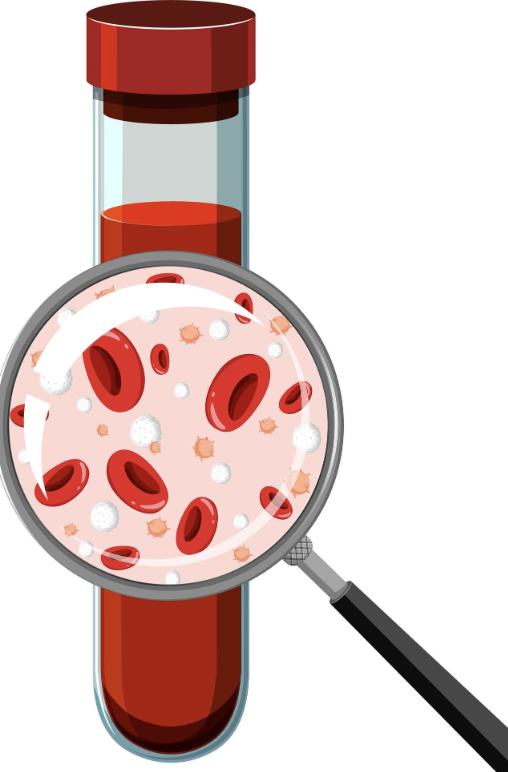
🧬 What Does This Test Check?
This test includes the key markers used in coeliac screening:
🧪 Tissue Transglutaminase Antibodies (tTG-IgA)
🧪 Deamidated Gliadin Peptide Antibodies (IgG)
🧪 Total Immunoglobulin A (Total IgA)
🔍 What Do These Markers Mean?
🧪 Tissue Transglutaminase (tTG-IgA)
This is the primary screening test for coeliac disease. It detects antibodies produced when the immune system reacts to gluten. It is considered the first-line test in most cases. :contentReference[oaicite:0]{index=0}
🧪 Deamidated Gliadin Peptide (DGP-IgG)
This test detects immune responses to gluten-related proteins and is particularly useful in patients who may have IgA deficiency or where additional confirmation is needed. :contentReference[oaicite:1]{index=1}
🧪 Total IgA
This measures overall IgA levels to ensure the accuracy of the test. Around 2–3% of people with coeliac disease have IgA deficiency, which can otherwise lead to false-negative results. :contentReference[oaicite:2]{index=2}
💡 Using these markers together improves the accuracy of coeliac disease screening and reduces the risk of false results.
⚡ What Is Coeliac Disease?
Coeliac disease is an autoimmune condition where the immune system reacts to gluten (a protein found in wheat, barley and rye), causing inflammation and damage to the lining of the small intestine.
This can lead to poor absorption of nutrients and a wide range of symptoms.
Common symptoms include:
😴 Fatigue
💨 Bloating and abdominal discomfort
🚽 Diarrhoea or digestive issues
⚖️ Unexplained weight loss
🧲 Iron deficiency
💡 Blood tests detect antibodies produced as part of this immune response to gluten. :contentReference[oaicite:3]{index=3}
👩⚕️ Who Is This Test Suitable For?
This test may be suitable if you:
🌾 Have symptoms linked to gluten intake
😴 Experience unexplained fatigue
💨 Have ongoing digestive symptoms
🧲 Have iron deficiency or nutritional deficiencies
👨👩👧 Have a family history of coeliac disease
📌 You should continue eating gluten before testing, as avoiding it may affect results.
⚠️ Important Information
❗ This test is a screening test and does not confirm a diagnosis on its own.
📄 If results suggest coeliac disease, you should be referred to your GP or a specialist for further assessment, which may include additional testing or biopsy.
💡 Diagnosis should always be made by an appropriate healthcare professional.
🔍 Why Is This Test Useful?
Coeliac disease can often go undiagnosed because symptoms can be mild, vague or mistaken for other conditions.
This test helps identify whether your immune system is reacting to gluten, providing a clear starting point for further investigation.
✔️ Uses recognised coeliac screening markers ✔️ Helps detect possible immune response to gluten ✔️ Supports early identification and further referral
🩺 What Happens at Your Appointment?
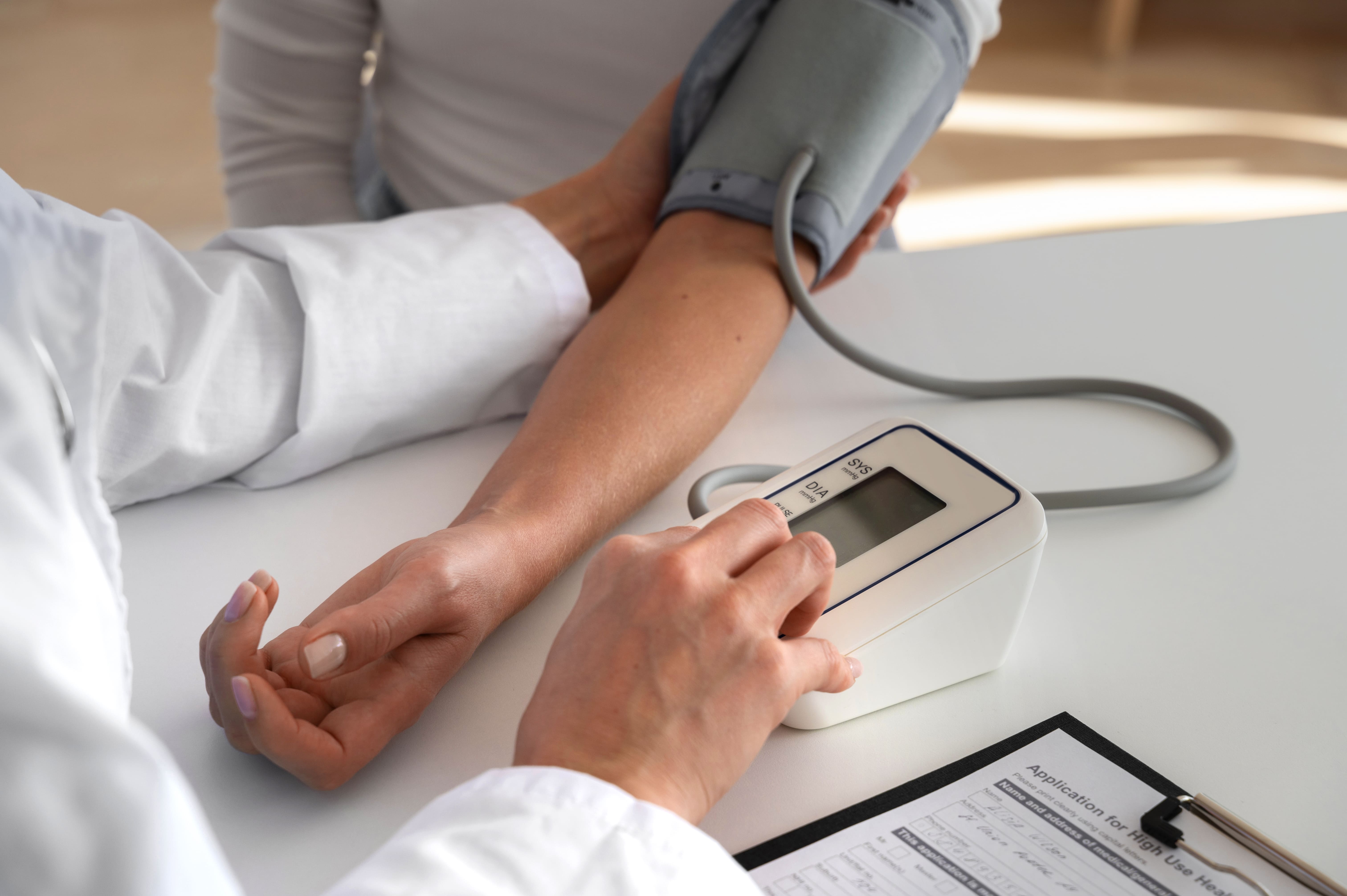
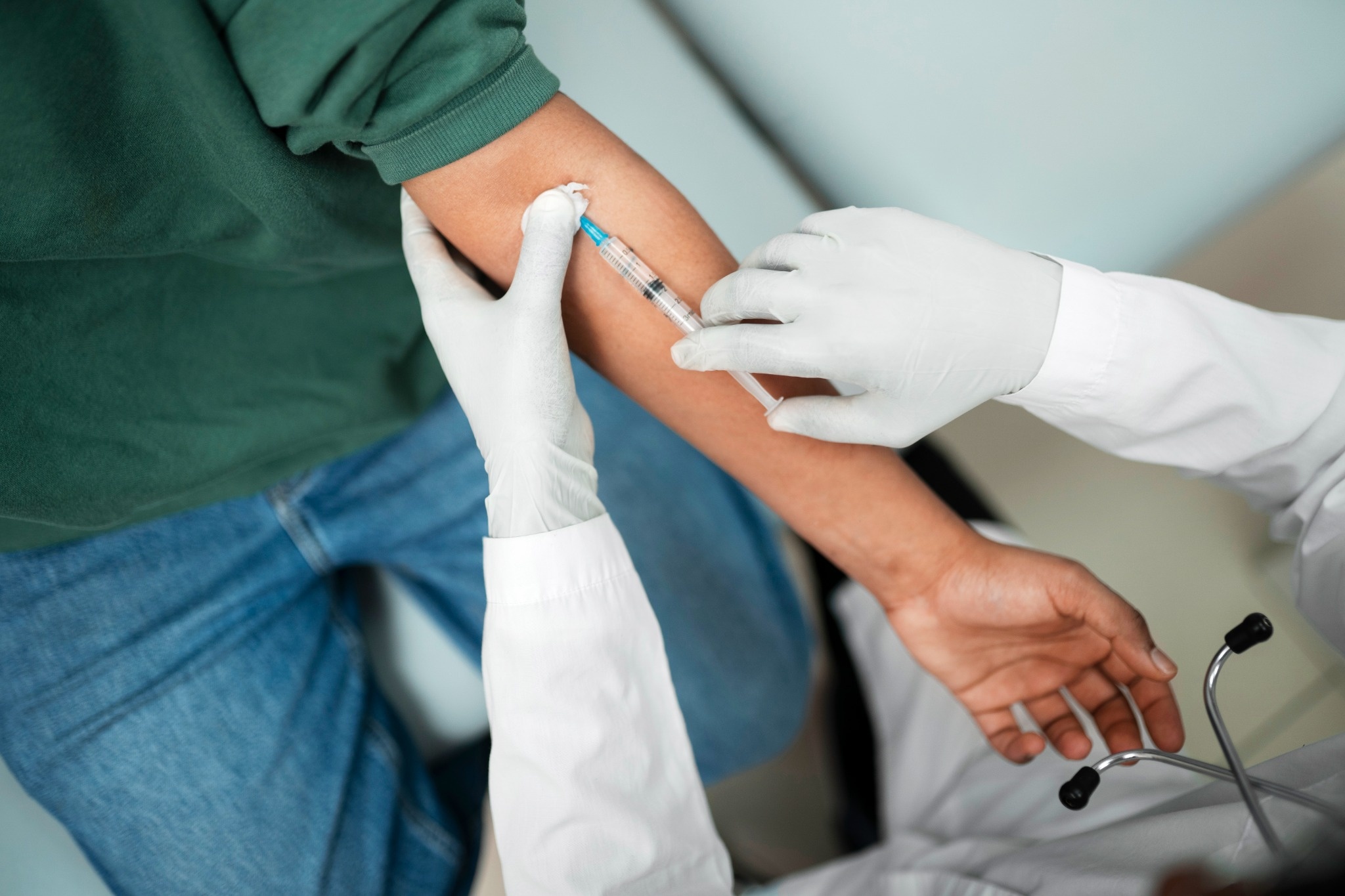
👩⚕️ A trained member of the team will take a blood sample
⏱️ The appointment is quick and straightforward
🧪 Your sample is sent to a laboratory for analysis
📊 Your results will be provided once available
🔗 Learn more about our blood testing service here:
Blood Tests & Phlebotomy Service at Prescriptions Pharmacy
💙 Cost
💷 £200 – includes blood sample collection and laboratory testing.
📅 Book Your Coeliac Blood Test
Book Coeliac / Gluten Sensitivity Blood Test🔗 Related Blood Tests
➡️ Ultimate Tired All The Time Blood Test
❓ Frequently Asked Questions
Do I need to be eating gluten before the test?
✅ Yes — avoiding gluten before testing can lead to inaccurate results.
Does this test diagnose coeliac disease?
❌ No — it is a screening test. Diagnosis requires further clinical assessment.
What happens if my test is positive?
🩺 You should follow up with your GP for further investigation and possible referral.
Can this detect gluten intolerance?
⚠️ This test detects immune responses associated with coeliac disease, not general food intolerance.


The Pharmacy First service builds on the NHS Community Pharmacist Consultation Service which has run since October 2019. The consultation service enables patients to be referred into community pharmacy for a minor illness or an urgent repeat medicine supply.

Get Prescriptions Pharmacy Mobile app